The Genius of Merle Haggard: His Best Songs and the Truth They Tell

By Paul Whitten, Founder of Nashville Adventures

Some singers perform a song. Merle Haggard confessed one.
That is the difference, and it is the whole reason we are still talking about him. When I walk visitors through this city and the subject turns to real country music, I always land in the same place. The best Merle Haggard songs are not stories he made up. They are things he lived, set to a melody, handed to you straight.
He turned twenty one in prison. He watched a friend walk to the death chamber. He knew what a hard winter costs a working man. So when he sang about it, you believed every word, because he was not acting.
Three Chords and the Truth, Lived Out Loud
The old Nashville songwriter Harlan Howard gave us the perfect definition of country music. He called it "three chords and the truth." You can read the whole story of that phrase in our piece on Harlan Howard's songwriting legacy, but Merle Haggard is the man who proved it.
While Nashville in the 1960s was busy smoothing country music into something polished for the radio, Merle and the Bakersfield crowd went the other way. Twangy guitars, honest heartbreak, no gloss. He was not chasing a sound. He was telling the truth, that was the whole trick.
The Best Merle Haggard Songs, and What Makes Them True
Here are the ones I come back to, and why each one hits like it means it.
"Mama Tried" (1968). The most autobiographical song he ever wrote. He really did turn twenty one behind bars, and the guilt over what he put his mother through is right there in every line. He admitted he bent one detail to make it rhyme.
"Sing Me Back Home" (1967). Merle watched a fellow inmate at San Quentin take his last walk to the death chamber. Years later he turned that memory into a hymn about a condemned man asking for one last song. Nobody writes that unless they saw it.
"Workin' Man Blues" (1969). The blue collar anthem to end them all. Nine kids, a worn out paycheck, and a man who keeps showing up anyway. It is proud and tired at the same time, which is exactly how work feels.
"If We Make It Through December" (1973). A laid off father dreading a lean Christmas for his little girl. It is quiet and it is devastating, and it says more about poverty in three minutes than most books manage in three hundred pages.
"Okie from Muskogee" (1969). His most argued about song, half salute and half sly wink, depending on who is listening. However you read it, it captured a national mood so precisely that people are still fighting over what he meant.
"Silver Wings" (1969). The sound of a man watching someone he loves board a plane and leave. Simple, spare, and heartbreaking. Proof he could gut you without raising his voice.
"The Fightin' Side of Me" (1970). Loud, stubborn, and unapologetically of its moment. Whether you agree with it or not, it is a pure shot of who Merle was and where he came from.
When Nashville Got a Little Sketchy

Here is a piece of local history most tour guides skip.
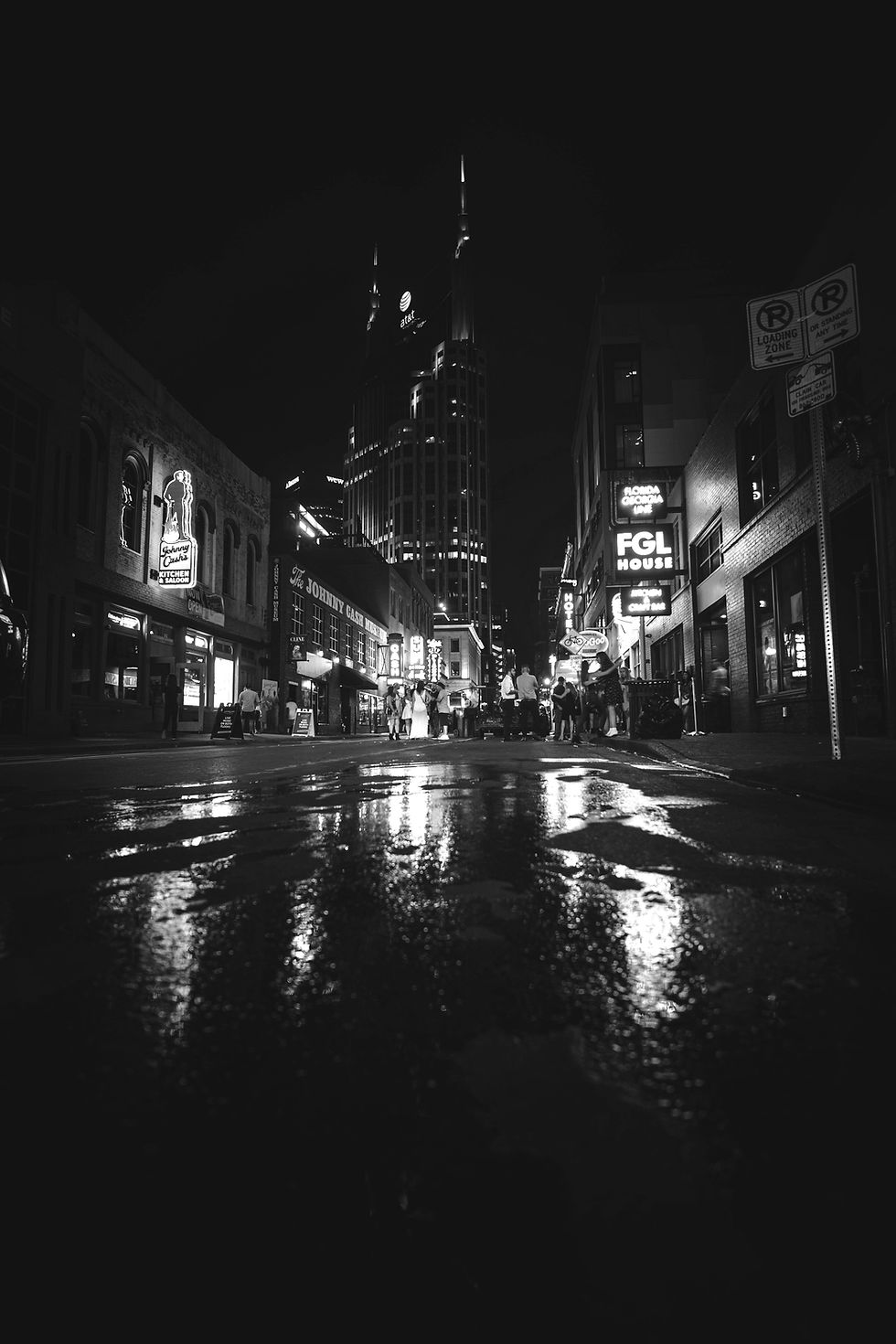
In March 1974, the Grand Ole Opry packed up and left the Ryman Auditorium downtown and moved out to a shiny new house at Opryland, about nine miles up the river. The Ryman had no air conditioning and only one dressing room, so I understand why they went. But when the Opry left, it took the spotlight with it.
Downtown lost its anchor. The Ryman sat dark and fell into disrepair for twenty years. Lower Broadway slid into two rough decades of pawn shops, peep shows, and dive bars, and the honky tonks that stayed open took on an outlaw edge. You can read the fuller version in our story on the real Lower Broadway.
And you know what? That grit suited the music of the era perfectly. The 1970s and 1980s were sketchy and a little dangerous down here, and the songs coming out of the outlaw movement were sketchy and a little dangerous too. Merle Haggard did not turn twenty one in a Nashville jail, he did his time in California. But the hard luck honesty in his records matched a Music City that had gone raw around the edges. When David Allan Coe showed up at the Ryman and refused to leave, that spirit was alive and well, and you can read that wild tale in our piece on David Allan Coe.
"He chewed gum, looked arrogant, and flipped the bird to the guards." (Merle Haggard, remembering the Johnny Cash concert he watched as an inmate at San Quentin, via American Songwriter)
That is the whole outlaw ethic in one sentence. Merle saw Johnny Cash play San Quentin at the tail end of the 1950s, decided that was the life he wanted, and walked out of prison to go chase it.
Why Outlaw Country Deserves More Love Than Disco
Now let me get on my soapbox, because I have earned it.
I believe outlaw country is one of the greatest genres this country ever produced. Merle, Waylon, Willie, Cash, Coe, and the rest took the pain of ordinary life and made art out of it, no autotune, no focus group, no apology. It is working class poetry with a steel guitar, and it is as American as anything we have.
So it drives me a little crazy that outlaw country is not studied and celebrated today the way disco is. Disco gets the documentaries and the ironic revival nights. Meanwhile the music that told the truth about prison, poverty, and heartbreak sits waiting for a new generation to rediscover it. That is a shame, and it absolutely should change.
When Merle sings about doing time or scraping through December, he is not performing rebellion. He is reporting from the inside. That honesty is why his best songs still land fifty years later, long after the disco ball stopped spinning.
Frequently Asked Questions
Why did Merle Haggard go to prison?
Merle Haggard was sent to San Quentin in the late 1950s after a drunken attempt to rob a Bakersfield roadhouse. He served roughly three years and turned twenty one behind bars, an experience that shaped much of his greatest songwriting.
Did Merle Haggard really turn 21 in prison?
Yes. The famous line in "Mama Tried" is true, though he used a little poetic license. As Merle himself put it:
"Instead of life in prison I was doing one-to-fifteen years. I just couldn't get that to rhyme." (via American Songwriter)
What is Merle Haggard's most famous song?
"Mama Tried" and "Okie from Muskogee" are his best known songs, though "Sing Me Back Home," "Workin' Man Blues," and "If We Make It Through December" are just as beloved by longtime fans.
What is outlaw country?
Outlaw country is a raw, honest strain of country music that pushed back against Nashville's polished studio sound in the late 1960s and 1970s. Artists like Merle Haggard, Waylon Jennings, and Willie Nelson wrote from real life and recorded on their own terms.
Come Hear These Stories Where They Happened

Merle Haggard never needed a fog machine or a light show. Neither do we.
The best way to understand this music is to stand where it was made, on the same downtown blocks that went from spotlight to shadow and back again. On our Nashville walking tour we tell you the real history of the Ryman, Lower Broadway, and the honky tonks, the grit included. If you would rather do it with a drink in your hand, our Nashville pub crawl works the honky tonks with the stories to match.
Browse all of our Nashville tours and come let us play you back home.