When Lafayette Came to Nashville and Met Timothy DemonbreunIf

Updated: Jul 10
By Paul Whitten

If you spend enough time digging into Nashville’s early history, you start realizing something important. This city has always been more connected to the wider world than people give it credit for. One of the clearest examples comes in 1825, when Marquis de Lafayette, hero of the American Revolution, came to Nashville and crossed paths with one of the city’s most important founders, Timothy Demonbreun.
This was not a symbolic brush with history. Contemporary newspapers recorded the moment, and later Tennessee historians preserved its memory. For a brief window in the spring of 1825, Nashville stood at the intersection of the American Revolution and the western frontier.
Lafayette’s Return to America
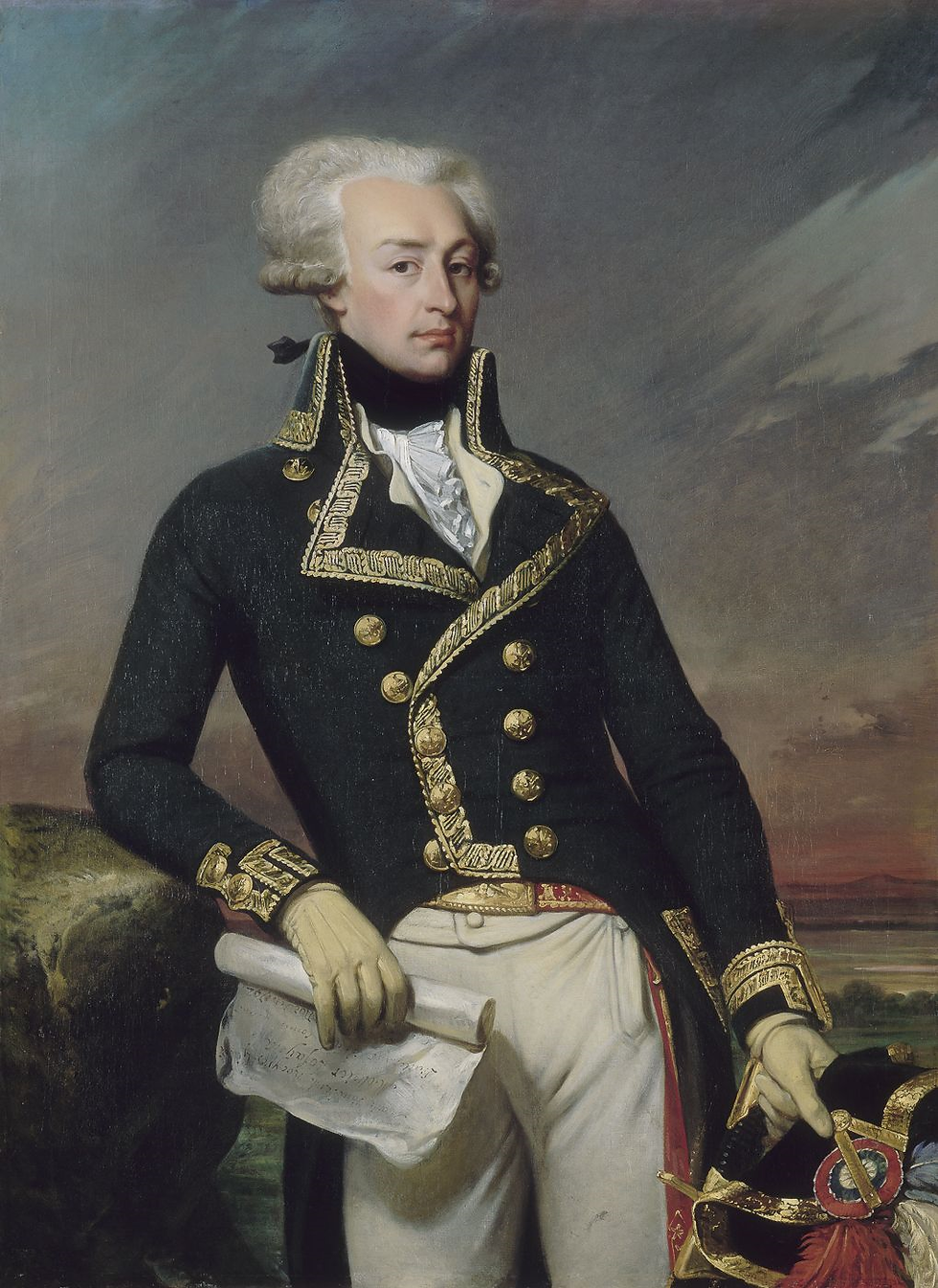
By the time Lafayette returned to the United States in 1824, he was no longer the young nobleman who had crossed the Atlantic to fight alongside Washington. He was 67 years old, shaped by revolution, imprisonment, exile, and decades of political struggle in France.
Congress invited him back as the Nation’s Guest, and over the next year he visited all 24 states. Everywhere he went, crowds gathered not just to see a man, but to encounter living Revolutionary history.
That reception followed him into Tennessee.
A May 1825 newspaper report noted that Lafayette’s arrival in Nashville was marked by a formal civic welcome and public celebration, with city leaders and citizens honoring him as a hero of American liberty.
Nashville Prepares for Lafayette
When Lafayette reached Nashville by steamboat in May 1825, the city turned out in force. According to contemporary reporting preserved by the Tennessee State Museum, the scene at the river landing was unmistakable:
When he stepped off the steamboat in Nashville he was welcomed by ringing church bells, firing cannons, and throngs of joyous citizens upon the shore all raising loud and frequent huzzas.
That detail matters. Bells and cannon fire were reserved for moments Nashville wanted remembered. This was the city announcing itself to the nation.
Timothy Demonbreun Takes His Place

By 1825, Timothy Demonbreun was in his early eighties and widely recognized as the Father of
Nashville. He had arrived decades earlier as a fur trader and river man, helping anchor Fort Nashborough along the Cumberland River.
He had lived under French, British, Spanish, and American rule without ever fully belonging to just one. Now, as Nashville welcomed a French aristocrat who helped secure American independence, Demonbreun embodied the long, complicated road from colony to frontier to city.
At the banquet held in Lafayette’s honor, later Tennessee historical accounts record that Demonbreun was publicly acknowledged. One preserved recollection notes that a toast was raised to:
Timothy Demonbreun, the patriarch of Tennessee… the first white man that settled in the country.
The language reflects how Nashvillians in 1825 understood their own origins and Demonbreun’s place within them.
A City Speaking Directly to the Revolution
Lafayette’s visit included more than parades and dinners. He attended public receptions where Nashvillians addressed him directly, often through prepared remarks meant to capture the city’s gratitude and ambition.
At one such event, a representative of the Nashville Female Academy addressed Lafayette with words recorded in the Republican Banner:
Wherever you move on American soil, the kindest gratulations meet you… History, and the tradition of our fathers, have taught us to hold the name of Lafayette in the highest veneration, as the friend of liberty, the champion of our country’s rights.
For a young city, the message was clear. Nashville saw itself not as distant from the Revolution, but as one of its heirs.
Ceremony Meets the Frontier
Observers noted the contrast between Nashville’s frontier reputation and the formality of Lafayette’s reception. The Statesman and Gazette described the Masonic procession that accompanied him through town:
Nearly 300 brethren, clothed in full costume… presented a sight, which astonished as well as delighted a crowd of beholders.
This was Nashville proving it could stand shoulder to shoulder with older eastern cities, while still remaining unmistakably western.
Somewhere in that crowd stood Timothy Demonbreun, a man who had lived long enough to see empires fall, revolutions succeed, and frontier settlements become cities.
Why This Meeting Still Matters

There is no surviving transcript of a private conversation between Lafayette and Demonbreun. But the record is clear. They were present at the same events, honored by the same community, and recognized as men whose lives spanned defining moments of American history.
Lafayette represented the ideals of revolution. Demonbreun represented what those ideals looked like when they reached the frontier.
Nashville sat between those two realities.
That is why this moment still matters. From its earliest days, Nashville was shaped by global forces and revolutionary ideas, carried inland by people who lived them.
If you want to explore more stories like this in person, Nashville Adventures specializes in Nashville history tours that connect people, places, and forgotten moments. Our Nashville History Walking Tour explores early founders like Demonbreun, the Cumberland River corridor, and the international influences that shaped the city long before Broadway.
For additional context on Nashville’s earliest settlement years, you may also enjoy reading Fort Nashborough and the Birth of Nashville, which dives deeper into Demonbreun’s world before Lafayette ever arrived.


