Jerry Reed: His guitar genius and influence in Nashville

By: Trevor Caldwell
When most people think of country music’s biggest guitar heroes, names like Chet Atkins and Nashville session legends come to mind. But there’s one player whose style was unmistakably his own — funky, fluid, mad-scientist energetic, and deeply rooted in the Nashville sound. That man was Jerry Reed: songwriter, performer, actor, and one of the most inventive guitarists to come out of Tennessee.
Reed wasn’t just a great picker — he was a musical storyteller. His playing was distinct, rhythmic, and always conversational. In Nashville’s history of guitar greats, Reed stands out not just for technical prowess, but for soul, swagger, and sheer personality.
The Nashville Sound, Reinvented Through Jerry Reed’s Strings

Reed’s relationship with Nashville wasn’t incidental — it was essential. He was part of the salt-of-the-earth fraternity of Nashville’s first-call studio musicians — players who drove the city’s sound in the 1960s and ’70s. Reed helped bridge the gap between slick studio polish and gritty, infectious groove.
In a town built on songwriters and session virtuosos, Reed carved his own lane. Whereas many Nashville players leaned toward the smooth “Nashville sound,” Jerry mixed country with jazz, blues, ragtime, and a playful rhythmic bounce that defied strict genre labels.
His style influenced generations of players and helped lay the groundwork for the progressive country and Americana movement that would flourish around Music City.
“East Bound and Down” — Driving Rhythm, Musical Motion

When you hear “East Bound and Down,” you don’t just hear a song — you feel velocity. Recorded for the 1977 film Smokey and the Bandit, this track is pure engine-revving energy translated into guitar playing.
Why the guitar stands out:
Reed’s picking has a percussive feel — almost like he’s strumming the rhythm section into existence.
Quick, precise right-hand motion drives the groove forward like tires on asphalt.
Interlocking eighth-note patterns make the guitar feel like both rhythm and lead at once.
Reed’s approach on this track captures a musical metaphor for movement and journey — perfect for a song about hitting the road from Atlanta to Texarkana and back. In the Nashville context, it reflects the city’s own blend of rural roots and restless creativity — constantly moving, evolving, and redefining what country music can be.
“She Got the Goldmine (I Got the Shaft)” — Humor, Bite, and Funky Licks

Here’s where Reed’s character really shines.
“She Got the Goldmine” is witty, cutting, and full of storytelling flair — and Reed’s guitar echoes each twist of the narrative.
What makes the guitar playing notable:
Sharp rhythmic accents and syncopation — Reed knows exactly when to hit hard and when to pull back.
Bluesy embellishments add attitude — more than just chords, they speak, grin, and sneer.
Playful licks interspersed with rhythmic strums reflect the song’s comedic tension.
In Nashville, humor and heartache often live side-by-side. Reed brought both to the forefront, making his guitar an extension of the song’s emotional arc — a partner in the story rather than just a background instrument. This song tells a great story about a nasty divorce and Reed being himself adds a humorous feel to the tragic story.
“Guitar Man” — A Self-Portrait in Six Strings

If any Jerry Reed song serves as a manifesto of his style, it’s “Guitar Man.” Originally recorded by Reed and later covered by artists like Elvis Presley, it’s both a declaration and a demonstration.
Reed’s Guitar Language Here:
Finger-style precision — many Nashville players learned or taught using fingerpicking patterns, but Jerry made it rhythmic, punchy, and unmistakable.
Alternating bass with melodic runs — this is classic country guitar technique, but Reed pushed it into bold, syncopated territory.
Clean, articulate tone — every note is purposeful.
Here, Reed isn’t just playing guitar — he’s summoning it to life, giving each string a purpose and personality. In Nashville’s vibrant guitar culture, this was the kind of performance that made other players sit up and listen.
What Made Jerry’s Style Truly Nashville
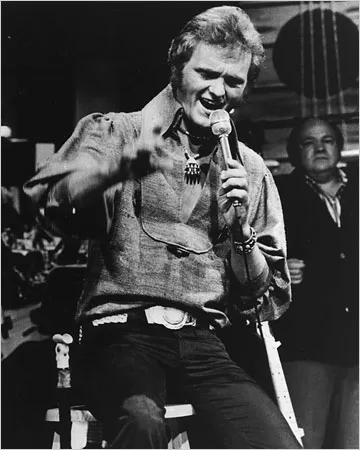
In Nashville studios, session players often learned to blend — to enhance the song without overpowering it. Jerry Reed did something remarkable: he enhanced the song while still being impossible to ignore. He took studio discipline and freed it with a player’s heart.
Rhythm first: Reed’s playing always rooted the song’s groove.
Melody second: His leads were memorable without being flashy for flashiness’s sake.
Story always: Whether comedic or reflective, his guitar speaking matched the lyrics.
This balance is quintessential to the Nashville ethos — serving the song, but doing it with flair.
Legacy: From Nashville to Every Stage After
On September 1, 2008, Jerry Reed died in the great city of Nashville. To this day Reed’s influence ripples across genres — country, bluegrass, jazz-influenced singer-songwriters, and modern roots players all draw from his playbook. His guitar work reminds us that virtuosity isn’t just technique — it’s voice, timing, and heart.
Reed’s legacy lives on in Nashville clubs, songwriting rooms, and pickup sessions. When players sit down with a guitar here, they’re not just referencing technique — they’re part of a tradition that Reed helped shape.
Whether you’re cruising down Music Row in Nashville or practicing a Travis-style pattern at home, Jerry Reed’s music is a lesson in rhythm, personality, and musical storytelling. His guitar wasn’t just an instrument — it was a conversation.

Take a walk through Nashville, we guarantee you'll catch a glimpse of Jerry Reed's influence somewhere in the city!