10 Reasons Nashville Is the Perfect City to Celebrate America's 250th Birthday

Nashville America 250th | Nashville Tours | Nashville History

July 4, 2026. America turns 250 years old.
There will be celebrations coast to coast — Philadelphia, Boston, New York. Big crowds, big speeches, big fireworks. And all of that is well-deserved.
But if you want to understand why this country exists, how it grew, what it fought over, and what it keeps becoming — you need to come to Nashville.
This city didn't just witness American history. In more ways than most people realize, it is American history. Here are ten reasons why Nashville and the Nashville America 250th anniversary are a perfect match.
1. Nashville's Founding Is a Revolution Story
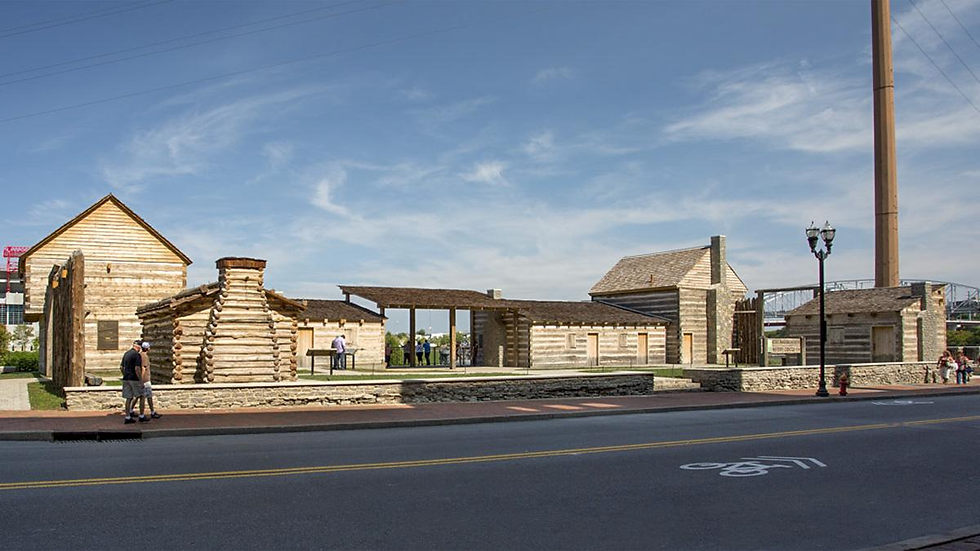
Most people don't realize it, but Nashville was born during the American Revolution. Not after it. During it.
On January 28, 1779, Fort Nashborough was founded while the Revolutionary War raged, with James Robertson leading settlers overland through brutal winter conditions and John Donelson following by flatboat the following spring. The city that grew from that fort was named after General Francis Nash, a Continental Army officer who gave his life at the Battle of Germantown in 1777.
Nashville didn't just happen alongside the Revolution. The Revolution made Nashville possible.
[Suggested image: Reconstruction of Fort Nashborough along the Cumberland River. Alt text: Historical Fort Nashborough reconstruction at the Cumberland River waterfront in downtown Nashville Tennessee]
2. The Cumberland Compact: Self-Government Before There Was a Government

Here's one that stops people mid-step on our Nashville walking tour.
As soon as both parties of settlers were assembled, they drew up a charter of government called the Cumberland Compact, which is largely recognized as the first form of self-government in Middle Tennessee.
Think about what that means. These were frontier people — no law enforcement, no federal protection, no established court system. And the first thing they did was write a governing document. That's not a coincidence. These were people shaped by Revolutionary ideals, and they carried those ideals into the wilderness with them.
The echoes of Philadelphia reached all the way to the Cumberland River bluffs.
3. Tennessee's Overmountain Men Helped Win the Revolution

Most of the Revolution's defining battles happened on the East Coast. But one of its turning points happened because of Tennesseans.
An important group of Tennesseans showed their support for independence during the American Revolution by contributing to the defeat of the loyalists at the Battle of Kings Mountain in South Carolina in 1780. This was one of several encounters that encouraged British leaders to withdraw their forces.
These were the Overmountain Men — frontier fighters from the Watauga settlements of what would become Tennessee. Rough, capable, and deeply motivated. They crossed the mountains, fought hard, and helped swing the war. Nashville's founding settlers came from that same world.
4. Andrew Jackson: The Most American President Nashville Ever Produced
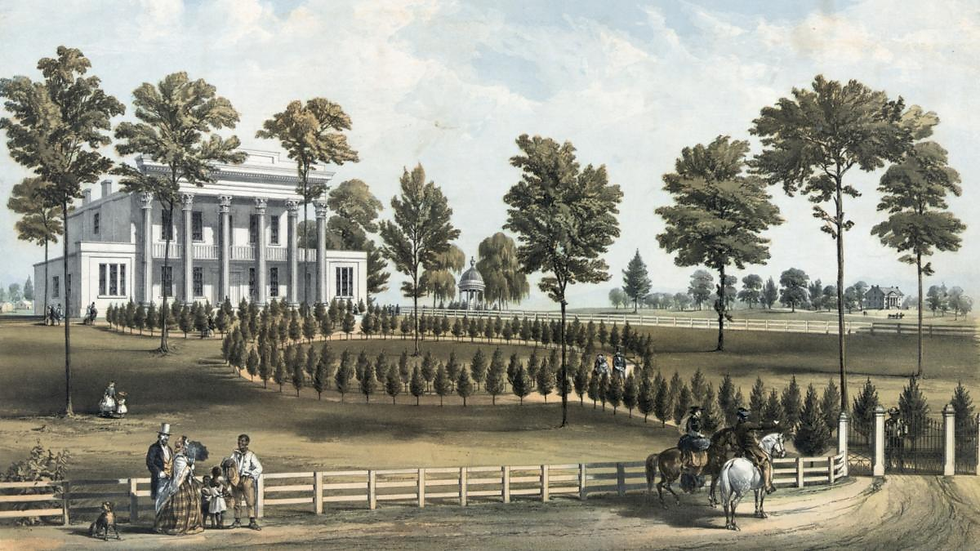
Walk out to the Hermitage and you'll feel it immediately. This city shaped one of the most consequential — and complicated — figures in American political history.
Andrew Jackson was a frontier lawyer from Nashville who survived a childhood scarred by the Revolution (British soldiers captured and wounded him as a teenager), became a military hero, and went on to serve two terms as the seventh President of the United States. He democratized American politics in ways that still echo today. He also made decisions that caused lasting harm to Native peoples.
Jackson is not a simple story. But he's an American story. And Nashville is where it happened.
5. Tennessee Was the 16th State — Joining the Union in 1796

Tennessee was admitted to the Union as a state in 1796, just twenty years after the Declaration of Independence was signed. Nashville was already its beating heart — the commercial, political, and cultural center of a state carved from the western frontier that the Revolution had opened up.
In the first few decades of the new country, Tennessee and Nashville were the frontier edge of the American experiment. The further west the nation pushed, the more Nashville mattered.
6. Nashville Decided Women's Right to Vote
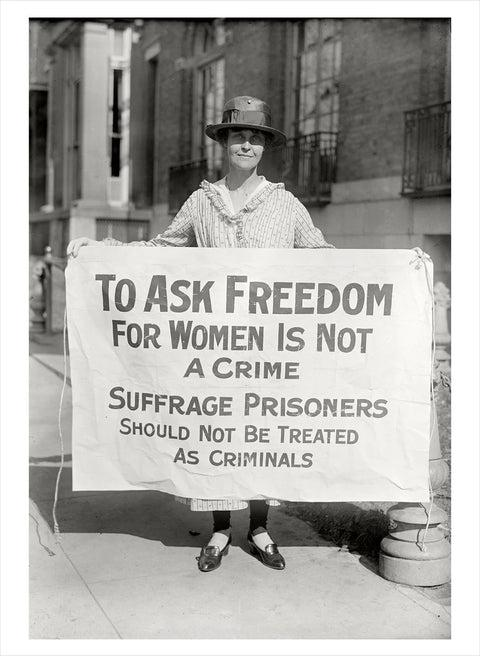
This one deserves a moment of silence.
In 1920, the 19th Amendment needed one more state to be ratified. It came down to Tennessee. And within Tennessee, it came down to one vote — from a young state legislator named Harry Burn, who changed his position after receiving a letter from his mother.
Susan B. Anthony made her first and only visit to Nashville, which would later become significant when Tennessee tipped the scales to give women the vote.
Half of America got the right to vote because of what happened in this state. That's not a footnote. That's the story.
7. The Athens of the South- And an Actual Parthenon

nickname has always been the Athens of the South, earned through its universities, churches, and culture of learning. But in 1897, during the Tennessee Centennial Exposition, Nashville did something nobody else would attempt — it built a full-scale replica of the Parthenon.
It still stands today in Centennial Park. It houses a 42-foot statue of Athena, goddess of wisdom. And right now, as part of Nashville's America 250th celebrations, the Cowan Collection — Nashville's greatest collection of American art — is on display there for the first time in nearly 40 years.
The democracy of Athens inspired the Founding Fathers. Nashville took that connection seriously enough to build the whole thing in stone.
[Suggested image: The full-scale Parthenon replica in Centennial Park, Nashville. Alt text: Full scale Parthenon replica in Centennial Park Nashville Tennessee]
8. Country Music Is America's Story Set to Sound

Every Friday night on Broadway, someone plays a song about working hard, losing something, loving somebody, or driving somewhere to start over. That's not entertainment. That's the American narrative on repeat.
In 1925, WSM, a powerful Nashville radio station, began broadcasting a weekly program of live music which soon was dubbed the "Grand Ole Opry" — the longest-running radio program in American history. Country music became the soundtrack of American working life, connecting rural communities across the country in a way that newspapers and politicians couldn't.
When the world thinks of American music, Nashville is a very short list. The 250th anniversary is being celebrated everywhere — but it's going to sound like it came from here.
9. The Battle of Nashville: Where the Civil War Ended in Tennessee
The Civil War was America's defining crisis — the moment the country nearly came apart entirely over the unfinished business of its founding. And Nashville was at the center of it.
The Battle of Nashville in December 1864 was a significant Union victory and perhaps the most decisive tactical victory gained by either side in the war. Confederate General Hood's army was effectively destroyed. The city had already been under Union control for two years, serving as a massive military and supply hub.
Nashville survived the war. And in surviving it, the city became part of what held the Union together.
10. Nashville Is Throwing a Two-Day Party for the 250th
Here's the one you can actually put on your calendar.
In honor of the nation's 250th birthday, Music City is expanding its famous "Let Freedom Sing" Fourth of July celebration to two days — July 3rd and 4th, 2026. Fans can expect an incredible fireworks display, the return of the Nashville Symphony, amazing musical headliners, and other activations across the city.
That's downtown Nashville, the Cumberland River, the skyline — and 250 years of American history underneath your feet.
You can find the latest event details at Visit Music City's website.

Come Walk It Before the Fireworks
History doesn't stay in museums. It lives on street corners, in building foundations, in the names of things you walk past every day without knowing why.
Before the crowds arrive for the 250th, or right in the middle of all of it — come walk Nashville with us. Our Nashville Adventures tours are built for exactly this moment: connecting people to the stories that make this city more than a destination.
Fort Nashborough. The Cumberland Compact. The suffrage vote. Jackson's world. The Grand Ole Opry's first broadcast. They're all here, within a few miles of each other, in a city that's been at the center of the American story since before it had a name.
Two hundred and fifty years in, Nashville is still one of the best places in the country to ask the question: How did we get here?
We'll be out on the street with the answer.


